
Alejandro M.
Miami Beach
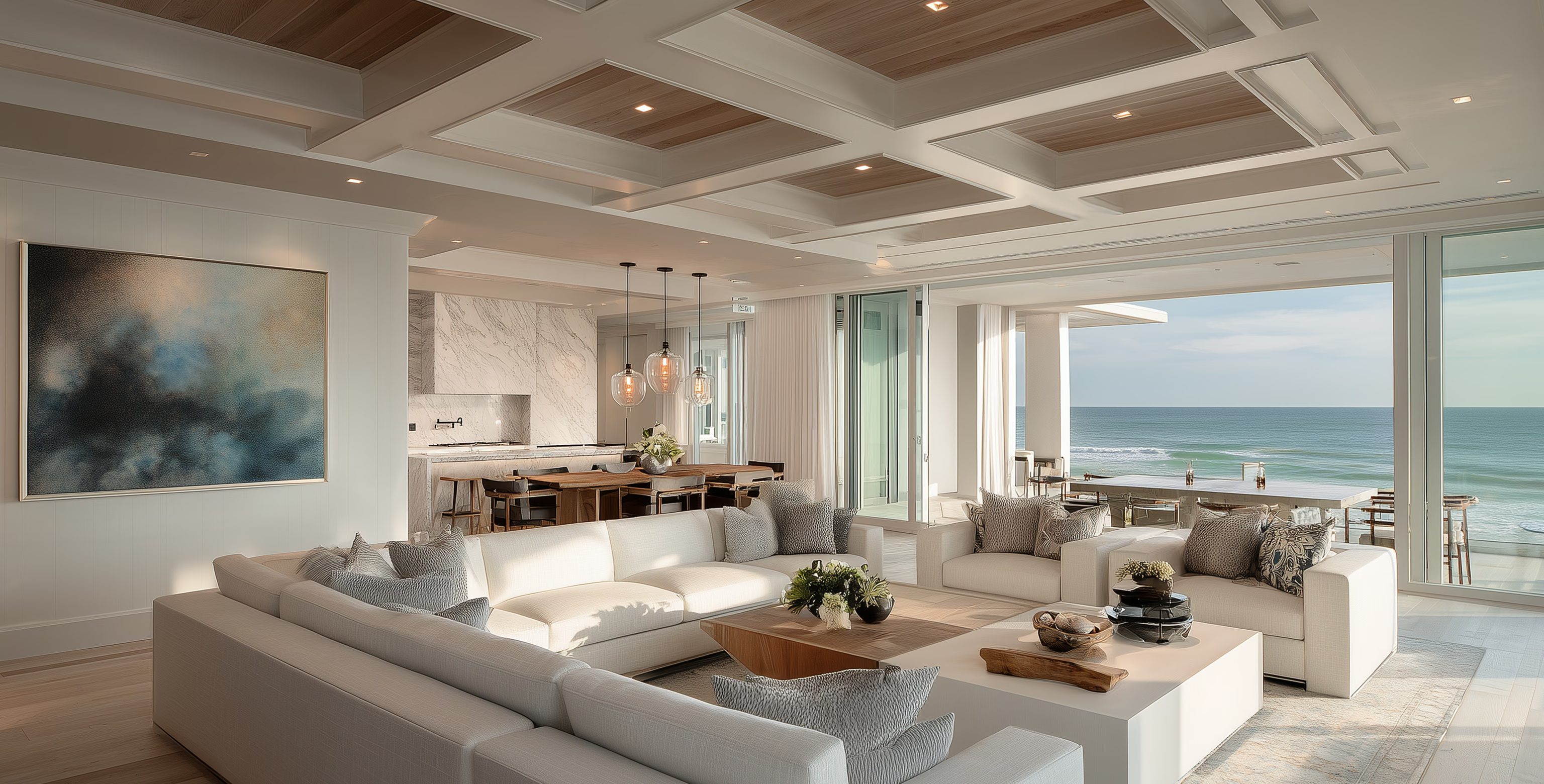
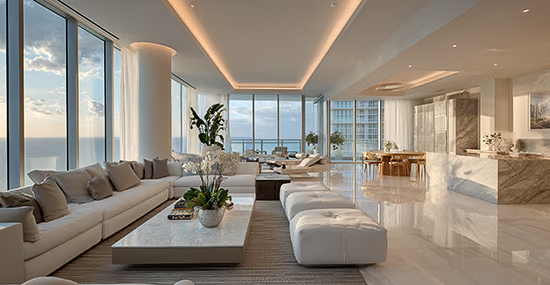
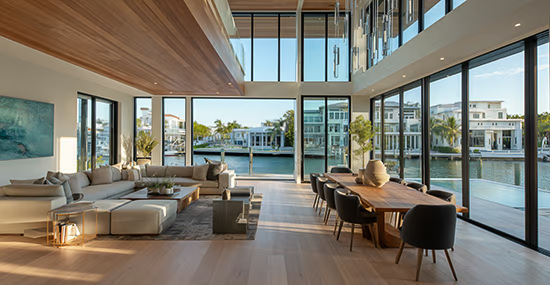
We wanted music throughout the home, but we didn’t want to see it. What we ended up with feels incredibly calm. Everything sounds balanced, no matter where you are. It just feels resolved.

Music shouldn’t compete with space. It should be positioned intentionally - remaining balanced across rooms without drawing attention to itself. As you move through the home, sound stays consistent, never louder, never thinner. The experience feels continuous and considered, like the architecture itself set the tone.

When sound is distributed correctly, hosting feels different. Conversations remain clear. Music fills the background without dominating. Indoor and outdoor areas feel related rather than staged. Guests don’t ask where the speakers are - they simply feel comfortable staying longer.

There’s comfort in knowing sound is there without needing to manage it. The home maintains atmosphere gently - ready for mornings, afternoons, or evenings without adjustment. Audio becomes part of the environment, not something you actively think about.

Great audio design respects lines, finishes, and proportion. Grilles align. Materials remain uninterrupted. Nothing draws the eye. The architecture stays whole - sound simply inhabits it. What’s visible remains design. What’s audible remains intentional.

This isn’t about moments of performance. It’s about reliability. Audio that works every day, in every room, without thought. Once experienced, it becomes the baseline-anything less feels unfinished.
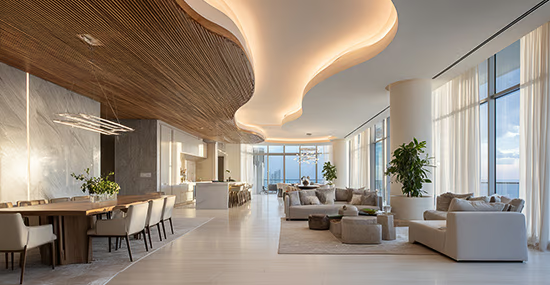
Great audio doesn’t blanket a home-it responds to its geometry. Ceiling heights, surfaces, and volumes shape how sound should exist in a room. When designed properly, music feels present without pressure, clear without sharpness. You don’t notice adjustments as you move through the home. You notice how comfortable everything feels. Architecture stays visually quiet while sound remains evenly distributed, as if it had always belonged there.
A distributed audio system plays music or other audio through speakers installed in multiple rooms or zones throughout a home. Each zone can run independently - different music in the kitchen, bedroom, and pool deck at the same time - or sync the whole house when you want a consistent sound throughout. Control happens from wall keypads, touchscreens, or a phone app depending on how the system is configured.
Most professionally installed distributed audio projects in South Florida fall between $8,000 and $40,000. A 4-zone system with Sonance in-ceiling speakers and Sonos streaming typically runs $8,000 to $15,000 installed. A whole-home system with 10 or more zones, Crestron or Savant control, dedicated amplification, and outdoor speakers for pool and terrace areas typically runs $20,000 to $40,000 or more. Projects that include a dedicated home theater and surround sound installation are scoped separately - though whole-home audio and theater often share the same pre-wire phase, so getting both planned together is almost always the smarter approach. Contact us for a project-specific estimate.
Distributed audio is designed for background listening across multiple rooms - music while you cook, entertain, or move through the house. A home theater is a dedicated space engineered for immersive surround sound, with a full speaker array, subwoofer, acoustic treatment, and a separate AV processor. Many homes include both, each serving a different purpose. Because both systems share infrastructure decisions - equipment room layout, pre-wire routes, amplification - planning them together from the start saves time and money.
Yes. Each zone operates independently. The kitchen can play one playlist, the master bedroom another, the pool deck a third - all at different volumes and from different sources. You can also group zones together when you want the same music throughout the house and ungroup them just as easily. Multi-source, multi-zone operation is standard on Sonos, Crestron, and Savant-based systems.
Yes, though it requires more planning than new construction. In-ceiling and in-wall speakers need wire runs from a central location to each zone. In an existing home that typically means routing through attic access or wall cavities. It's very doable in most South Florida homes, but takes longer and costs more than pre-wiring during construction. For renovations where walls are already open, the cost and process is close to new construction. Speaker placement is selected based on room layout, ceiling height, and construction type to distribute sound evenly while keeping the installation architecturally clean.
Yes. Terraces, pool decks, and docks are among the most-requested zones in South Florida projects. We install outdoor-rated in-ceiling, surface-mount, and landscape speakers depending on the space. Placement for outdoor areas requires more planning than indoor rooms since sound isn't contained by walls - speaker count and positioning are sized to cover the area evenly without needing excessive volume to compensate.
Yes. Miami condos typically involve concrete construction, HOA restrictions on penetrations, and acoustic considerations around shared walls and floors. These factors are addressed during system planning - including speaker selection, placement strategy, and coordination with building management where required - to ensure proper performance without creating issues with neighboring units.
Yes. When audio runs on a platform like Crestron, it operates alongside lighting, motorized shades, climate, and security in a single control environment. A morning scene can raise the shades, bring up the lights, set the thermostat, and start music in the kitchen from one button press or on a schedule. A departure scene can pause every audio zone along with everything else. This level of coordination is only possible when all systems run on the same platform, which is why the control system decision matters from the start of a project.
For new construction or open-wall renovation, the pre-wire phase takes one to two days. The trim-out and commissioning - installing speakers, connecting amplification, programming control, and calibrating each zone - takes another one to two days. For retrofit projects in existing homes where wire runs require more access work, add time for that. Most projects complete across two site visits totaling two to four days, separated by the construction schedule.
Yes. Every zone is balanced and calibrated after installation so volume and tonal response remain consistent throughout the home. For systems with DSP amplification - which most of our projects use - we set frequency response curves per zone to account for room size, ceiling height, and surface materials. The goal is that every room sounds right at normal listening levels without adjustment.
Sound is placed deliberately across the home, remaining balanced from room to room without visual interruption. This is distributed audio designed to feel natural, consistent, and effortless-supporting daily life without drawing attention to itself.
Miami Beach
We wanted music throughout the home, but we didn’t want to see it. What we ended up with feels incredibly calm. Everything sounds balanced, no matter where you are. It just feels resolved.

Interior Designer
What impressed me most was restraint. Nothing competes with the design. Clients don’t notice technology - they notice how comfortable the space feels. That’s the difference.
Architect
They respected the architecture completely. Every placement felt deliberate. The sound belongs to the space rather than sitting on top of it.
Key Biscayne
I honestly forget the system exists. And that’s probably the best compliment I can give.


